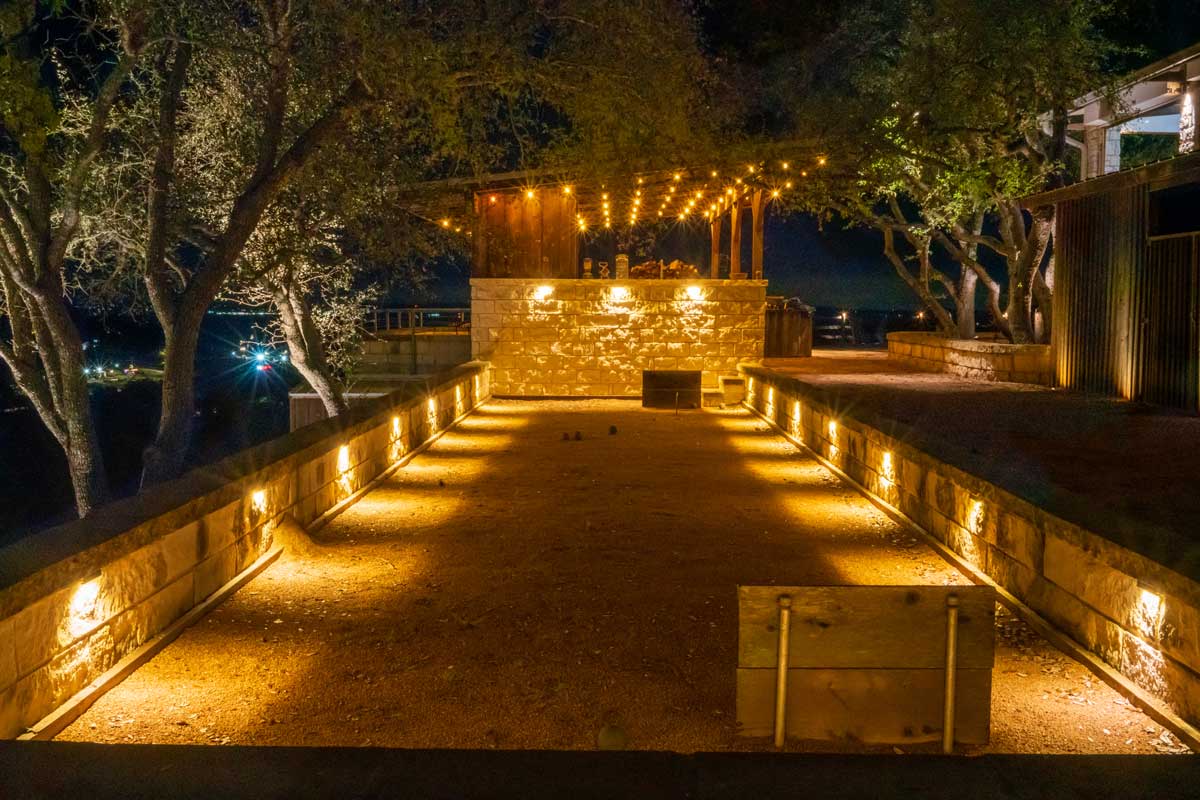
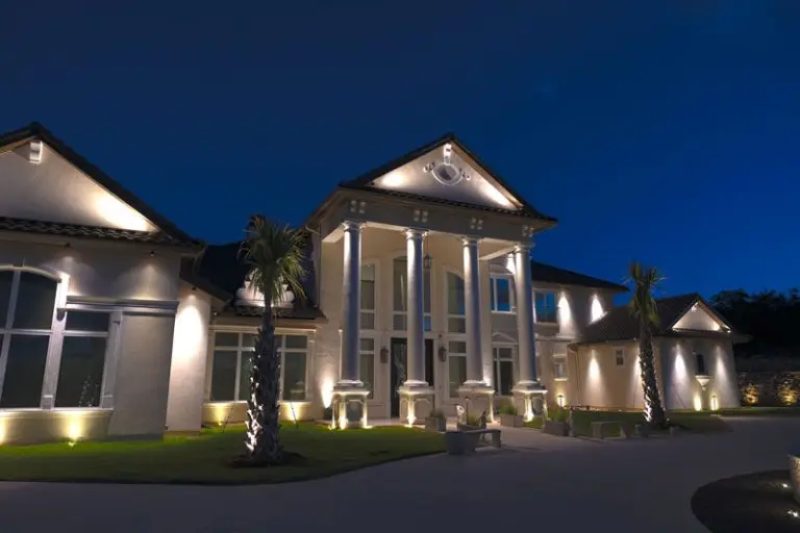
Let’s face it! Outdoor lighting can either elevate your home or completely miss the mark. When done right, it creates a beautiful, welcoming atmosphere. When done wrong, it leads to wasted money, frustration, and poor curb appeal.
At Glo Geeks, we are committed to doing things the right way. We have seen too many homes with poorly planned systems that fail far too soon. This guide will walk you through the 7 Deadly Sins of Landscape Lighting written by Shane Duffy. These are critical mistakes that can ruin your investment, and we will show you how a true professional helps you avoid them completely. These are the most common lighting mistakes that can ruin your investment and how a true professional helps you avoid them completely.
Sin #1: Glare, Light, or Light Pollution

Glare can ruin an otherwise stunning lighting design. Even one poorly placed fixture can spoil your entire nighttime view.
Proper design includes adjustable fixtures, shrouds, lenses, and hex louvers to reduce glare and keep your view focused only on the Glo and not the lamp and glare. Lighting is not just about brightness or security. It is about balance, revealing texture, providing visual direction, adding a feeling of safety, and creating an overall smooth visual experience.
Sin #2: Corrosive Materials
If your fixtures are made of aluminum or bargain-store plastics, they are not made to last. Outdoor lighting lives in a harsh environment. Rain, wind, and heat will wear these materials down quickly.
Brass, copper, or advanced composite materials will stand the test of time. Also, do not forget about internal components like the wire, sockets, and connectors. Every part needs to be high quality, not just the fixture casing. Always ask what the fixtures are made of or where they are being bought from, and if they come with a genuine, long-term warranty. I view warranties as a death certificate in advance, that’s why we have a lifetime warranty on fixtures.
Sin #3: Moisture Migration and Wicking
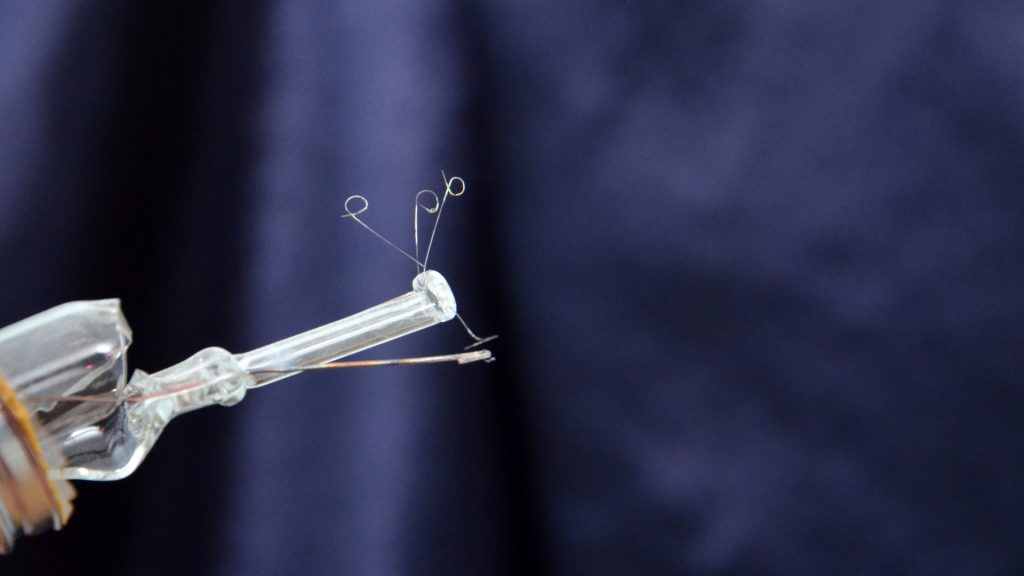
Moisture migration and wicking can silently ruin your lighting system from the inside. Cheap wire and poor insulation let air and moisture creep in, which causes corrosion and failure over time.
Look for 100% virgin copper wiring and virgin plastics for the insulation, also needs to be sun light resistant and is Wet location approved. Ensure that every socket and connection is sealed with dielectric grease. Moisture is a slow destroyer, but it is completely preventable with the right materials and techniques.
Sin #4: Improper Connections
Many systems fail simply because their connections were buried directly in the soil without a proper waterproof connection. Water, air, moisture and time will corrode those wires faster than you think.
A reliable system will have connections with copper crimps and in a tube with dielectric grease, ideally above ground, in labeled hub boxes. These boxes allow for easy maintenance and expansion. If your installer is burying wires with wire nuts, and calling it a day, your system is on borrowed time.
Sin #5: Required Voltage: Voltage drop and wiring methods.
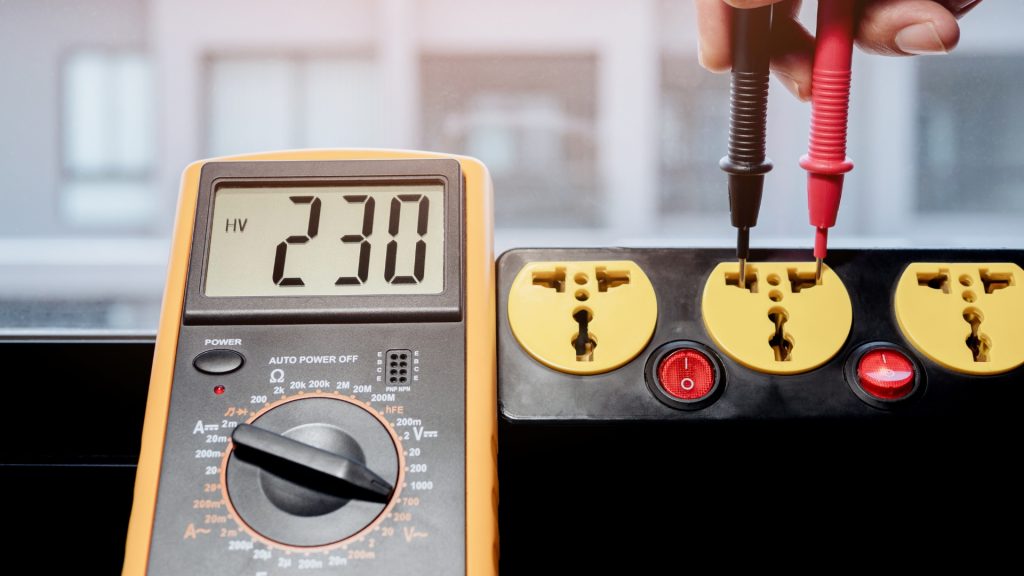
Low voltage lighting systems (and every electronic device on the planet) need clean, steady DC voltage to work properly. Most setups still use a 12 volt multi tap AC transformer that was invented by my mentor Nate Mullen 30 years ago, which he no longer endorses. It creates a condition called Volt Amps that draws 50% more electricity, which does not happen with DC power, making it the greener option.
Using a 24 volt DC system allows an installer to have twice as many fixtures, at twice the distance, on one line of wire. Therefore using less of earth’s resources and nearly eliminating the chances of voltage drop and dim fixtures. Lots of manufactures are making the transition already and I believe 90% will within 5 years.
A professional installer should use DC voltage and verify your system’s performance with a voltmeter and amp probe. If they do not, your lighting may look fine at first—but it won’t last.
Sin #6: Skipping the Design Process
Great lighting is more than just sticking lights in the ground. It is about storytelling and creating a portrait of your home.
True lighting design considers viewpoints, surfaces, textures, and light behavior like reflection or absorption. More lights do not always mean a brighter result. Often, it takes more fixtures to create less light. Sounds backwards, but focusing on intentional shadows, grazing surfaces to reveal texture, creating contrast and depth to focal points, highlighting the true lines of the architecture, all takes more fixtures in well thought out design.
Ask for a real design plan, a photo portfolio, or better yet, a live demo. At Glo Geeks, we offer a Glo Show so you can see the design in action before it becomes permanent.
Sin #7: Forgetting to Plan for the Future

Your landscape will grow and change. Plants and trees mature, or the opposite, and fixtures get bumped by pets, wildlife, kids, landscapers and delivery drivers.
That is why every lighting system needs to be flexible. Fixtures should have extra wire slack for repositioning. Your system should set up for easy future expansion. Fixtures should be field repairable. And yes, even long-lasting LEDs need routine cleaning and adjustments. We recommend ongoing maintenance plans to keep everything glowing like new.
Final Thoughts: Leave the Lighting to the Pros
These seven deadly sins are not just common mistakes. They are the difference between a lighting system that fails in a few years and one that becomes a lasting highlight of your home.
At Glo Geeks, we take the time to design, install, and maintain systems that are built to last. Our work is driven by passion, precision, and a commitment to getting every detail right.
If you want a lighting experience that delivers beauty, durability, and peace of mind, then contact our team today to schedule a custom consultation. Your home deserves more than just lights. It deserves a glow that lasts a lifetime.
📘 Glossary: Lighting Terms Made Simple
Not sure what some of these lighting terms mean? We’ve got you covered. Here are a few common words explained:
DC Voltage (Direct Current) – A smooth, steady flow of electricity that powers modern LED lights efficiently and safely. Think of it as the clean fuel your lights need to shine properly and last longer.
AC Transformer (Alternating Current) – Used to deliver high voltage. It delivers electricity in waves, which can cause LED lights to flicker, wear out faster, and use more energy than necessary. All electronics have a converter that converts AC to DC.
Voltage Drop – A loss of power as electricity travels through wiring. If not managed properly, your lights can end up dimmer than they should be. A good lighting design prevents this from happening.
Dielectric Grease – A special type of grease used inside lighting connections and sockets. It blocks moisture and air from getting in and corroding the wires or fixtures, helping your system last much longer.
Wicking – A process where moisture sneaks under the outer layer of your wire insulation. Over time, this moisture can corrode the copper inside, leading to failure.
Hub Box – A protected, organized box above ground where lighting wires are connected. It makes maintenance easier, prevents corrosion, and keeps your system future-ready.
Glare – Harsh, uncomfortable light that is hard to stare at similar to headlights or a porch light. It can ruin the look and feel of your outdoor lighting. A proper design minimizes glare by controlling angles, proper placement and the correct fixture.
Light Pollution – Unwanted light that spills into areas it shouldn’t, like your windows. Or too much light creating an airport runway or Vegas look. This reduces the overall beauty of your home and affects nighttime enjoyment.